
Fine wrinkles are the earliest signs of skin ageing: soft creases around the eyes, faint lines on the forehead, small folds near the mouth. In the UAE, where strong sun, dry indoor air conditioning, and long screen hours all pull moisture out of the skin, these lines can appear earlier than many people expect. The good news is that shallow wrinkles respond very well to consistent care. You rarely need surgery to soften them. A thoughtful home routine, well-chosen products, and a few gentle in-clinic treatments are usually enough to see a real difference within a few weeks.
This guide walks through the exact steps to follow, what to layer at home, when to book a cosmetologist, and how to keep the results stable in a hot, dry climate.
Why fine wrinkles appear earlier in the UAE
Two things drive early fine lines: loss of moisture and loss of collagen. UV exposure accelerates both. The UV index in Dubai and Abu Dhabi sits in the high or extreme range for most of the year, which breaks down collagen fibres in the dermis and thins the skin over time. According to the World Health Organizationcumulative UV exposure is one of the strongest external factors in skin ageing.
Add air conditioning, which drops indoor humidity to desert levels, and the skin barrier struggles to hold water. The result is that dehydration lines look deeper than they actually are. Rehydrate the skin properly, and many of them soften on their own.
A five-step plan that actually softens fine lines
Rebuild the barrier
Switch to a gentle, non-stripping cleanser and a rich moisturiser with ceramides, glycerin, and squalane. A strong barrier holds water and makes lines look shallower within days.
Layer active hydration
Apply a hyaluronic acid serum on damp skin morning and night. In the UAE climate, seal it in with an occlusive cream so the water does not evaporate.
Add a proven active
Retinal or retinol at night stimulates collagen and smooths surface texture. Start twice a week and build up slowly to avoid irritation.
Use patches and masks
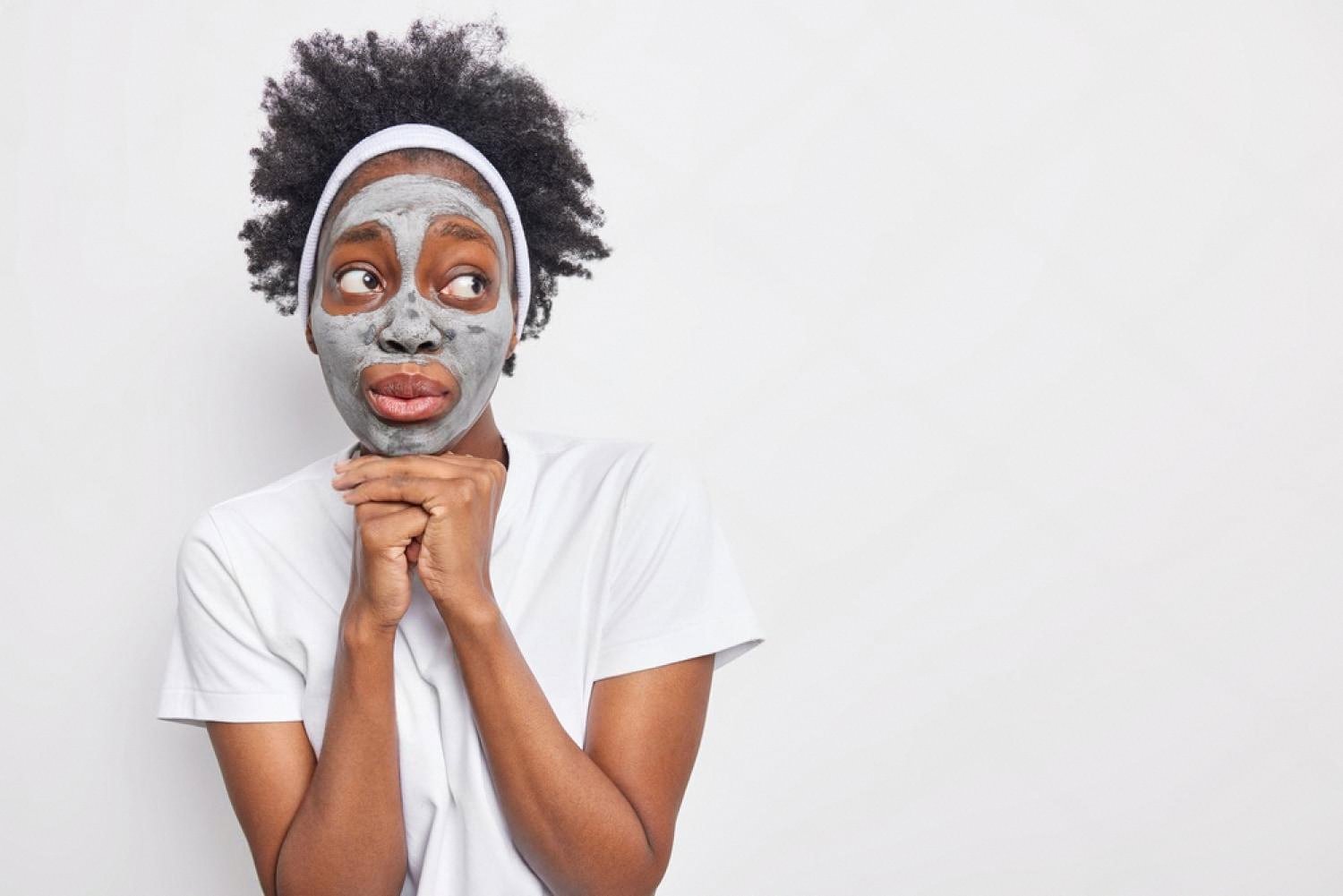
Hydrogel eye patches and sheet masks with peptides, niacinamide, or centella give a quick plumping effect. Two or three times a week is enough.
Protect every morning
Broad-spectrum SPF 50 is non-negotiable in the Gulf. This is the single biggest factor in whether fine lines stay soft or deepen.
See a cosmetologist
A professional in dermatology and aesthetics can look at your skin under magnification and recommend the right in-clinic top-ups, such as mesotherapy or biorevitalisation.
Home care: patches, masks, and what to look for on the label
Good home care is where most of the work happens. Products with a strong ingredient list will out-perform expensive ones with pretty packaging and empty formulas. When you shop, check the first six ingredients on the back of the pack: that is where the active concentration lives.
- Hyaluronic acid, sodium hyaluronate, or polyglutamic acid for hydration
- Niacinamide (4 to 5 percent) for texture and even tone
- Peptides such as Matrixyl or copper peptides for firmness
- Retinal, retinol, or bakuchiol for collagen support
- Vitamin C (10 to 15 percent, L-ascorbic acid) in the morning
- Ceramides and cholesterol for the skin barrier
In-clinic treatments that pair well with home care
When home care hits its ceiling, the next step is a short course of injectable hydration. These are not surgery and they are not fillers in the shaping sense: they deposit tiny amounts of hyaluronic acid, vitamins, and amino acids into the upper layers of the skin. The result is denser, better-hydrated skin that reflects light more evenly, so fine lines look softer.
Mesotherapy
Micro-injections of a cocktail tailored to your skin, usually vitamins, antioxidants, and low-molecular hyaluronic acid. Good for dull, dehydrated skin with early fine lines. A course is typically four to six sessions, two to three weeks apart.
Biorevitalisation
Pure, high-grade hyaluronic acid delivered into the dermis. It rehydrates deeply, boosts elasticity, and softens crepey texture around the eyes and mouth. Most patients notice tighter skin after two sessions.
Both procedures are minimally invasive, take around thirty minutes, and require no downtime beyond a few small red dots that fade within a day. A good cosmetologist will also review your home routine and adjust it, because clinic work only lasts if what you do between visits supports it.
Before and after your appointment: a quick checklist
- Stop retinol and acids for three days before an in-clinic treatment
- Come with clean skin, no makeup, no heavy sunscreen
- Drink more water in the 24 hours before, especially in summer
- For 48 hours after: no sauna, no gym, no direct sun, no makeup on the treated area
- Reintroduce actives slowly, starting on day four or five
- Book your follow-up before you leave the clinic to keep the course on schedule
Troubleshooting: what to do when results stall
If you have been consistent for six to eight weeks and fine lines are not budging, the issue is usually one of four things. First, your sunscreen is not being reapplied through the day, so daytime UV is undoing the nighttime repair. Second, you are stacking too many actives (retinol, acid, vitamin C) and irritating the barrier, which makes lines look worse, not better. Third, your sleep and hydration are inconsistent. Fourth, the lines are deeper than home care alone can address, and a short clinic course would move things forward.
A single consultation is usually enough to identify which of these is happening. A cosmetologist can look at the skin under a Wood’s lamp or a skin scanner, spot barrier damage or dehydration, and rewrite your routine in ten minutes. According to the American Academy of Dermatologyprofessional guidance combined with a simple, consistent home routine outperforms complicated regimens most people cannot keep up with.
The realistic timeline
- Week 1 to 2. Skin looks brighter and feels softer as the barrier rebuilds. Dehydration lines start to fade.
- Week 3 to 6. Fine surface lines soften. Makeup sits better. Eye area looks less crepey.
- Week 6 to 12. With retinol and one course of biorevitalisation or mesotherapy, deeper fine lines flatten noticeably.
- Month 4 onward. Maintenance mode: one clinic session every two to three months, plus daily home care.
Frequently asked questions
Can I really soften fine wrinkles without any injections?
Yes, in many cases. Shallow lines caused mainly by dehydration and a weak barrier often respond within four to six weeks to consistent home care: a gentle cleanser, hyaluronic acid, a peptide or retinol serum, a rich moisturiser, and daily SPF 50. Deeper fine lines respond faster when you add mesotherapy or biorevitalisation, but injectables are optional, not required.
How often should I use hydrogel eye patches?
Two or three times a week is enough for a maintenance effect. If you have an event or your under-eyes look tired, you can use them daily for a week without any issue. Choose patches with hyaluronic acid, peptides, or caffeine, and keep them in the fridge for a stronger de-puffing effect.
Is retinol safe to use in the UAE climate?
Yes, as long as you introduce it slowly and pair it with strict daily sunscreen. Start with a low percentage twice a week at night, buffer with moisturiser if needed, and build up over a month. Never skip SPF 50 the next morning, because retinised skin is more sensitive to UV.
What is the difference between mesotherapy and biorevitalisation?
Mesotherapy uses a cocktail of vitamins, antioxidants, and low-molecular hyaluronic acid to nourish and refresh the skin. Biorevitalisation uses pure, high-molecular hyaluronic acid to deeply rehydrate and firm the dermis. Mesotherapy is often chosen for dull, tired skin, while biorevitalisation is better for visible crepiness and loss of elasticity. A cosmetologist can decide which one suits your skin after an in-person assessment.
How many sessions do I need to see results?
Most people see a clear difference after two sessions and full results after a course of four to six, spaced two to three weeks apart. After that, one maintenance session every two to three months is usually enough to keep the skin looking rested and smooth.
Is there any downtime after mesotherapy or biorevitalisation?
Downtime is minimal. You may see small red injection marks and mild swelling for a few hours, sometimes up to 24 hours. Most people return to work the same day. Avoid the gym, sauna, direct sun, and makeup for 48 hours, and skip active ingredients like retinol and acids for three days on either side of the appointment.
At what age should I start thinking about fine wrinkles?
Prevention pays off earlier than most people think. In the UAE, where UV exposure is intense year-round, a proper sunscreen and hydration routine from the mid-twenties makes a real difference. Targeted actives like retinol and in-clinic hydration treatments usually become useful from the late twenties or early thirties, when the first fine lines appear.
Skydiver, foodie, drummer, International Swiss style practitioner and independent Art Director. Producing at the nexus of beauty and programing to craft meaningful ideas that endure. Nothing ventured, nothing gained.